


Artificial Intelligence is moving faster than ever. As we step into 2025 and look ahead to 2026, the world’s biggest tech companies are racing to define the future of AI. From OpenAI’s cutting-edge language models to Microsoft’s enterprise integrations, Meta’s generative AI tools, and NVIDIA’s powerful chips, innovation is happening everywhere.
These companies aren’t just leading the AI revolution — they’re shaping how humans work, create, and connect in a digital-first world. In this article, we explore the 10 top AI companies to watch in 2025/26 and how each one is driving the next wave of technological transformation.
Americas (North America)
1. OpenAI (USA)


Why it matters: It pushes large language models (LLMs), AI infrastructure scale, and has strategic relationships with major tech firms.
What to watch: How OpenAI monetises its models, how it handles safety/regulation concerns, and what new partnerships emerge.
2. Anthropic (USA)

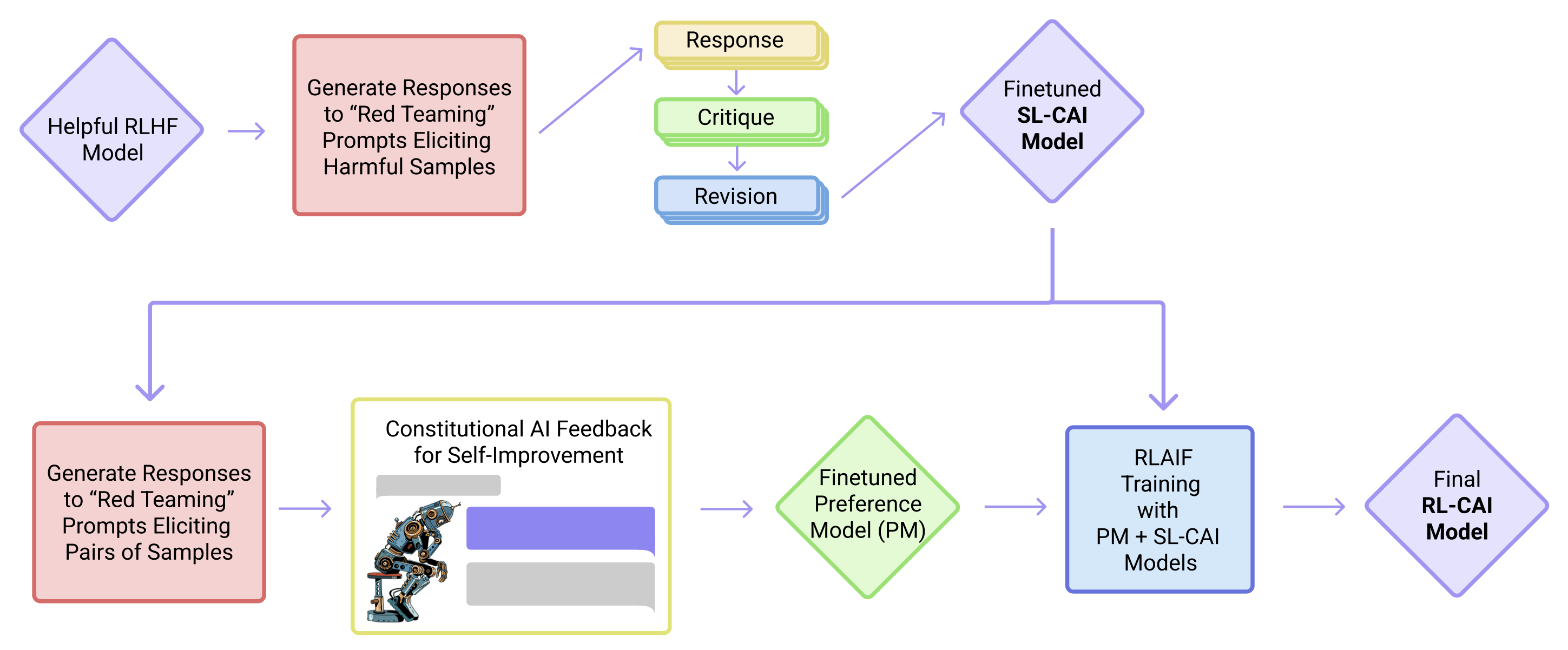
Why it matters: With former OpenAI staff and major investments, Anthropic is shaping how responsible AI is developed and positioned.
What to watch: Its model releases, how it competes with OpenAI, and regulatory/environmental impact of its compute usage.
3. Databricks (USA)
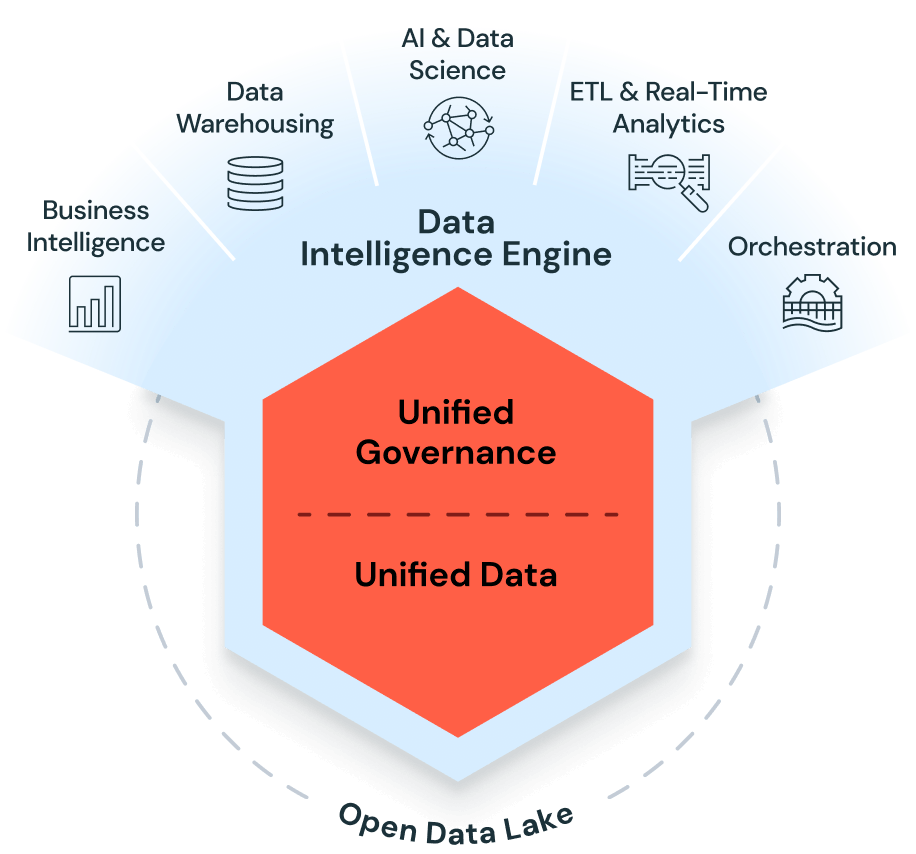
Why it matters: Enterprise AI adoption is critical to the next phase of AI growth, and Databricks is a key player in analytics + AI workflows.
What to watch: Its partnerships with cloud providers, how it integrates large models, and its ability to scale globally.
Europe / Middle East / Africa
4. Mistral AI (France)

Why it matters: It addresses digital-sovereignty and European AI ambitions, which is important in regulatory and geopolitical contexts.
What to watch: Its model performance vs. US/China competitors, how it attracts European investment, and how it handles export/control issues.
5. DeepL (Germany)

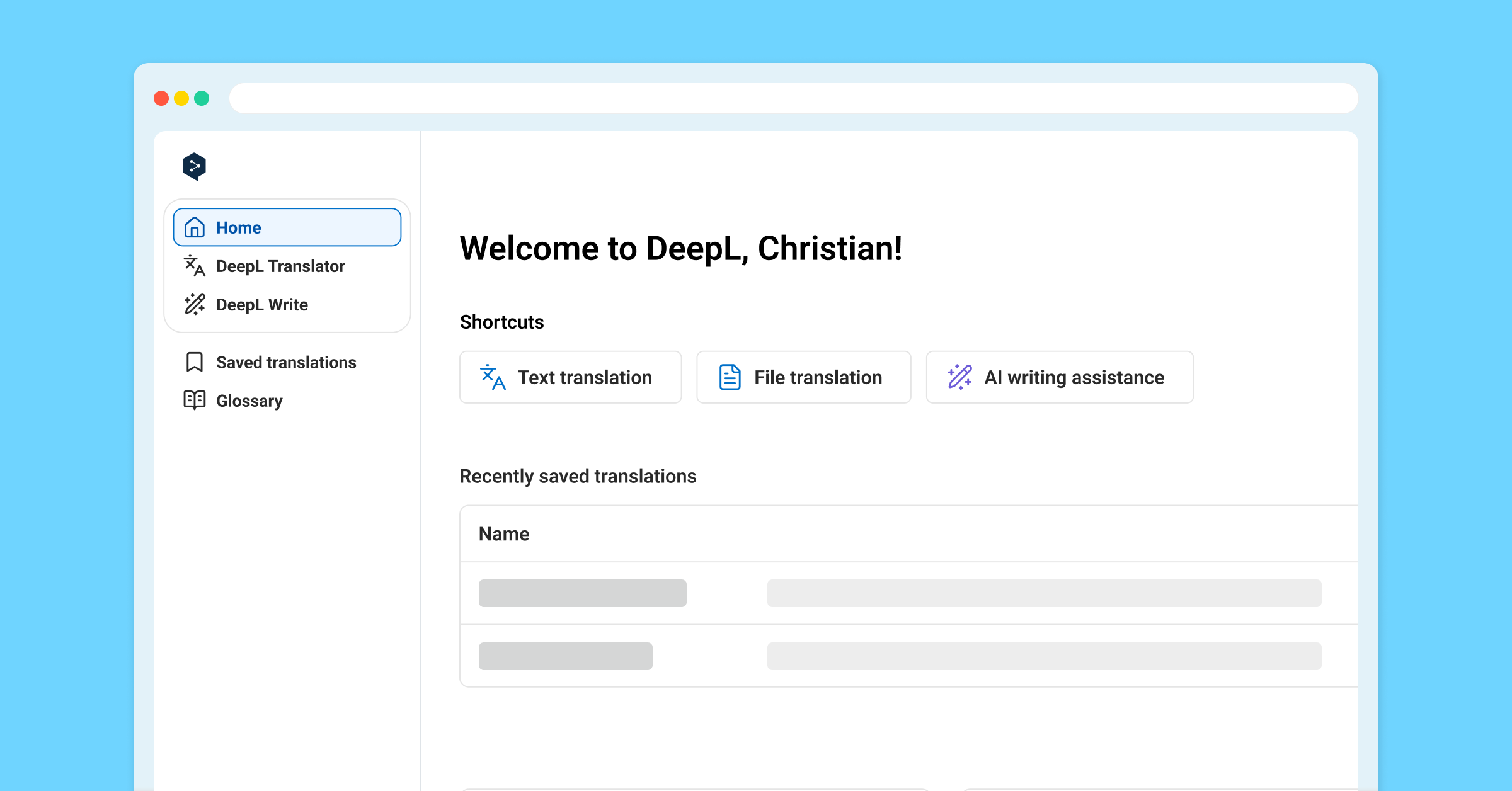
Why it matters: Domain-specific AI (language/translation) is often underrated but very important. DeepL’s emphasis on privacy and quality stands out.
What to watch: How it expands beyond translation into broader NLP services, and how it competes with global players.
Asia / Pacific
6. ByteDance (China)



Why it matters: In China, AI is advancing rapidly; ByteDance is a major player bridging consumer + enterprise AI.
What to watch: Its export potential, how it navigates regulation/trade issues, and whether it releases models globally.
7. Z.ai (China)


Why it matters: It shows how non-US players are catching up in LLMs; geopolitical/regulatory aspects are important.
What to watch: Whether Z.ai can export its models, how it grows amid trade tech restrictions, and how it competes cost-effectively.
Infrastructure / Edge / Hardware
8. Nvidia (USA)

Why it matters: Without hardware scaling, large models cannot be trained/inferred economically. Nvidia drives that.
What to watch: Supply-chain constraints, new architecture launches (e.g., Blackwell / Blackwell Ultra), competitor moves (AMD, Intel).
9. CoreWeave (USA)


Why it matters: Infrastructure is increasingly not just commodity cloud, but specialised AI-cloud with optimised hardware.
What to watch: Its business growth, how it wins deals with model providers, and whether it expands beyond US markets.
Region-Emerging / Specialised
10. Humain (Saudi Arabia / Middle East)



Why it matters: Shows how regions beyond US/China/Europe are building AI ecosystems; tie-ins with national strategy and AI infrastructure.
What to watch: Its partnerships (tech/hardware), how it executes large projects, and whether it becomes a meaningful global player.
Table of the Top 10 AI Companies to Watch in 2025/26
| Rank | Company Name | Headquarters | Key AI Focus Area | Notable AI Innovation |
|---|---|---|---|---|
| 1 | OpenAI | San Francisco, USA | Generative AI & LLMs | GPT models, ChatGPT, Sora |
| 2 | Microsoft | Redmond, USA | AI Integration & Cloud | Copilot, Azure AI, AI Studio |
| 3 | Google DeepMind | London, UK | AGI & Machine Learning | Gemini, AlphaFold, Bard |
| 4 | Meta (Facebook) | Menlo Park, USA | Generative AI & Metaverse | Meta AI, Llama 3, AI Studio |
| 5 | Apple | Cupertino, USA | On-device AI & Privacy | Apple Intelligence, Siri AI |
| 6 | NVIDIA | Santa Clara, USA | AI Hardware & GPUs | Blackwell Ultra, CUDA AI |
| 7 | Amazon | Seattle, USA | Cloud AI & E-commerce | AWS Bedrock, Alexa Gen AI |
| 8 | Anthropic | San Francisco, USA | AI Safety & Reasoning | Claude 3, Constitutional AI |
| 9 | IBM | Armonk, USA | Enterprise AI Solutions | Watsonx, AI governance tools |
| 10 | xAI (Elon Musk) | San Francisco, USA | Truth-based AI Systems | Grok, X platform integration |

How to Compare & Evaluate
Here are some criteria you can use to evaluate and keep track of these companies:
-
Model capability & performance: Are they releasing competitive models (LLMs, multimodal) that pass benchmarks?
-
Infrastructure & compute scale: Do they have the hardware, data centres, partnerships to scale effectively?
-
Monetisation & business model: Are they turning research into revenue, productising AI?
-
Regulation / geopolitics / sovereignty: Where they are based matters (US, China, EU, Middle East) for regulation, export controls, talent.
-
Domain / vertical specialisation: Some firms focus on general-purpose models, others on translation (DeepL), logistics (Shiprocket), or infrastructure (CoreWeave).
-
Ecosystem & partnerships: Strategic alliances (cloud providers, hardware makers, universities) matter a lot.
-
Growth & public perception: Funding rounds, valuations, press coverage, and their ability to deliver on promises.

1 Comment
Pingback: What Is the Role of AI in Combating Loneliness?